Everything Is Tuberculosis
The Spin
Establishment-critical narrative
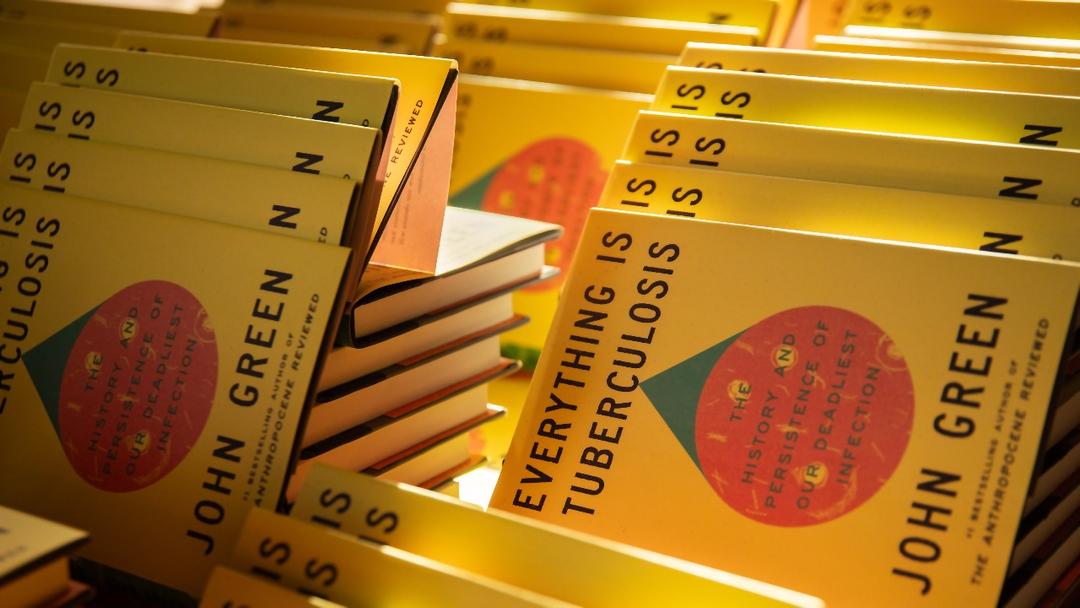
Green’s "Everything Is Tuberculosis" is an urgent and heartbreaking exploration of a disease still ravaging the world — unbeknownst to many in the West. Through the story of Henry Reider, a young Sierra Leonean who nearly died from drug-resistant TB, Green exposes the devastating consequences of poverty, malnutrition, stigma and systemic inequities on contemporary public health. The book is both a damning critique of historical and ongoing medical racism and an eye-opening, emotionally wrenching account that leaves readers grappling with a hard truth: TB deaths are a choice, not an inevitability.
Pro-establishment narrative
While highlighting important inequities, Green's focus on systemic failures overlooks the significant scientific progress being made in TB treatment and prevention. The Gates Foundation's phase three vaccine trial represents the first new TB vaccine in over 100 years, and breakthrough developments in shorter drug regimens and better diagnostics offer genuine hope. Companies criticized for pricing are ironically the only ones investing in TB research, and continued partnership with pharmaceutical innovators remains essential for developing affordable solutions that can reach patients like Henry globally.
Narrative C
Perhaps the most notable element of Green’s "Everything Is Tuberculosis" is its success in storytelling and science communication. By humanizing TB through Henry Reider’s story and weaving his personal journey with historical, cultural, and scientific context, Green makes an often-invisible disease tangible and emotionally resonant. His narrative demonstrates how stories — more than statistics — can shape understanding, empathy, and awareness. It is through this that, beyond chronicling the disease, the book becomes a compelling call to action.
Cynical narrative
Despite its emotional appeal, "Everything Is Tuberculosis" suffers from a rambling, scattered approach that undermines the authority of the argument it tries to make. Green hops from topic to topic, blending history, personal narrative and cultural anecdotes, often sacrificing depth on treatments or medical complexities. While accessible and compelling, the book reads more like the obsessions of a curious layperson than a rigorous analysis, leaving readers informed but craving a clearer, more authoritative picture of TB and its challenges.
Metaculus Prediction
Editor's Note
Go Deeper
© 2026 Improve the News Foundation.
All rights reserved.
Version 7.6.4