Study: New MRI Scan Shows Promise in Treating Epilepsy
The Facts
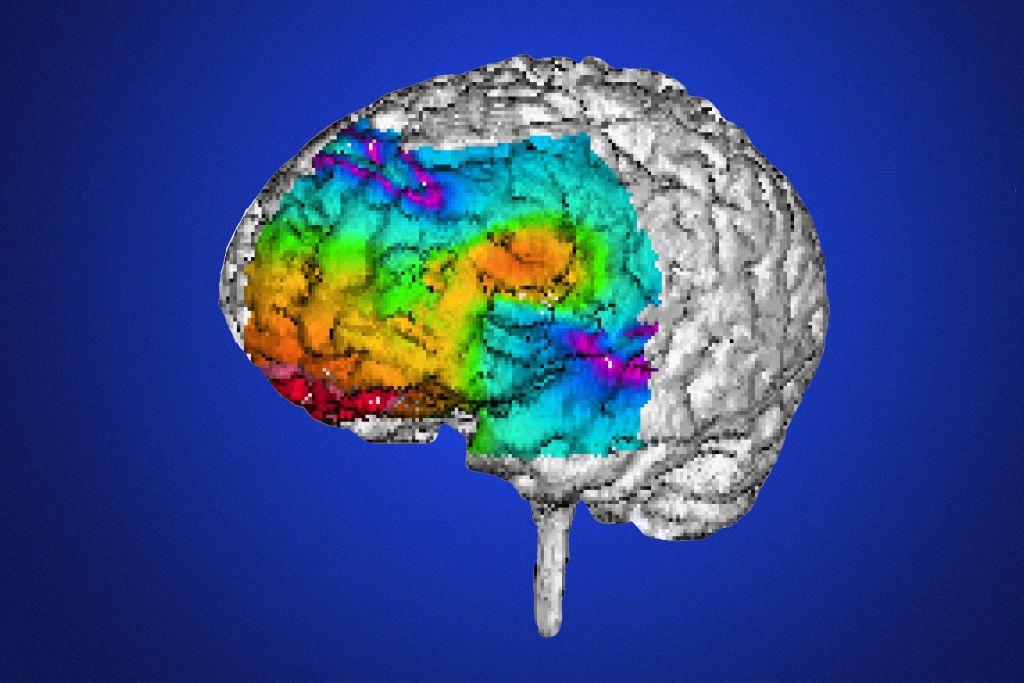
- In research published Friday in Epilepsia, researchers in Cambridge and Paris detailed their use of 7T MRI scanners with eight transmitters — instead of the usual one — to identify tiny brain lesions causing treatment-resistant epilepsy, overcoming previous limitations of signal blackspots in crucial brain areas.
- In the study, the parallel transmit 7T scanner identified previously unseen structural lesions in nine out of 31 tested patients, confirmed suspected lesions in four patients, and showed that suspected lesions could be disregarded in four others.
- More than half of the study participants (18 patients, or 58%) had their epilepsy management changed as a result of the new scanning technique, with nine patients being offered surgery and one offered laser treatment.


Sources Split
LEFT
CENTER
RIGHT
+3
ESTAB
CRIT
CENTER
PRO
ESTAB
The Spin
Narrative A
This breakthrough is a significant advancement in epilepsy treatment because it is minimally invasive and reduces risks and recovery time compared to traditional methods. It can help more precisely identify brain lesions, double the chances of successful surgical outcomes, and aid patients in returning to normal activities that were previously impossible.
Narrative B
Anything that can improve the lives of people with drug-resistant epilepsy is to be welcomed. However, this technique has side effects, with patients reporting occasional negative experiences — meaning it's not suitable for everyone. Clinical and research staff must conduct more research to identify which patients would benefit most from this treatment approach.
Metaculus Prediction
© 2026 Improve the News Foundation.
All rights reserved.
Version 7.18.2