Syria Marks First Anniversary of Assad Government Collapse
The Spin
Narrative A
The new Syrian government signifies the culmination of decades of legitimate insurgent energy against brutal Assad rule, finally giving the Sunni majority control after generations of systemic humiliation. Revolutionary anxiety is natural when defending hard-won fragile victory from forces seeking to restore the old sectarian order. Al-Sharaa’s regime has real staying power because it channels authentic grassroots popular will rather than fragile factional control.
Narrative B
Syria's transition has devolved into sectarian repression where religious minorities face kidnappings, beatings and threats from security forces loyal to Ahmed al-Sharaa. The promised freedoms have evaporated as Alawites, Christians and Druze now live in fear while government-affiliated gunmen terrorize communities with impunity. This isn't liberation but a new authoritarian order where Sunni extremists have simply replaced one dictatorship with another.
Narrative C
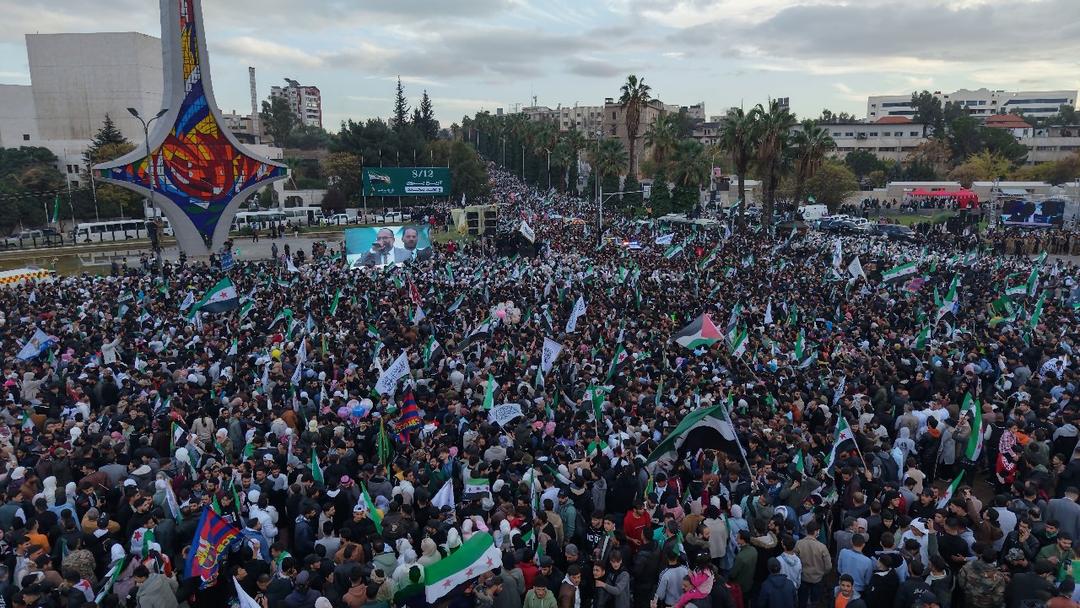
A year after Bashar al-Assad's departure, Syria remains a land of shattered stones and tentative hope. Former prisoners hobble home to families — freed from hellish jails yet haunted by tuberculosis, anxiety and nights of terror. Cities scarred by war show faint signs of life: shops reopen, shattered homes slowly rebuilt by their owners. Across Damascus and Homs, crowds wave new flags in bittersweet celebration. The revolution brought freedom — but peace, justice and reconstruction remain fragile.