Japan: Ex-Prime Minister Abe's Killer Sentenced to Life

The Spin
Pro-government narrative
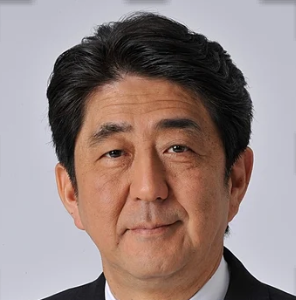
The assassination of Shinzo Abe was an unprecedented, premeditated murder that deserves the harshest punishment. Yamagami spent years meticulously crafting weapons and planning this attack, demonstrating clear criminal intent that resulted in extremely serious consequences for Japanese society. This calculated killing of the nation's longest-serving leader represents the most significant postwar crime and demands life imprisonment.
Government-critical narrative
Yamagami's tragic upbringing, marked by religious abuse and family devastation caused by the Unification Church, created circumstances demanding judicial consideration. His mother's ruinous donations bankrupted the family, forcing him to abandon education and ultimately leading to his brother's suicide and his own suicide attempt. The assassination exposed corrupt ties between the church and ruling party politicians, vindicating his desperate attempt to draw attention to institutional wrongdoing.
Narrative C
Yamagami's assassination, regardless of motive, represents a catastrophic failure of democratic discourse. His resort to murder to address grievances — however legitimate — undermines the rule of law and sets a dangerous precedent that political violence can achieve results. The extensive media attention and policy changes following the killing risk incentivizing future extremists who believe their causes justify deadly force, threatening Japan's peaceful democratic tradition.
Metaculus Prediction
Public Figures
© 2026 Improve the News Foundation.
All rights reserved.
Version 7.2.2